In today’s fast-paced business world, staying connected with customers is non-negotiable. A phone based CRM isn’t just a tool—it’s a game-changer, blending communication and data into one seamless experience.
What Is a Phone Based CRM?

A phone based CRM integrates customer relationship management software directly into mobile devices, allowing teams to manage interactions, track leads, and close deals—all from a smartphone. Unlike traditional CRM systems that rely on desktop access, this model empowers sales and support staff to work efficiently on the go.



Core Definition and Functionality
At its heart, a phone based CRM combines telephony with customer data management. Every call, text, or follow-up is logged automatically within the customer’s profile. This eliminates manual data entry and ensures real-time updates across the team.
- Automatically logs calls and messages
- Synchronizes data across devices in real time
- Integrates with email, calendars, and task management tools
Platforms like Zoho CRM Mobile and Salesforce Mobile exemplify how robust mobile CRM ecosystems can be.
Evolution from Desktop to Mobile
CRMs began as desktop-centric systems in the late 1990s, designed for office-bound sales teams. As smartphones became ubiquitous, the demand for mobility grew. By the early 2010s, cloud-based infrastructure enabled secure, scalable access to CRM data from anywhere.
“The shift to mobile CRM wasn’t just about convenience—it was about survival in an always-on market.” — TechCrunch, 2015
This evolution allowed field sales reps, remote agents, and customer service teams to maintain continuity regardless of location. The phone based CRM emerged as the natural successor to clunky desktop interfaces.
Top 7 Benefits of Using a Phone Based CRM
Adopting a phone based CRM offers transformative advantages. From boosting productivity to enhancing customer satisfaction, these tools are reshaping how businesses engage with their audience.
1. Real-Time Access to Customer Data
With a phone based CRM, your entire customer database fits in your pocket. Whether you’re meeting a client at a coffee shop or traveling between sites, you can pull up purchase history, past interactions, and open tickets instantly.
- Instant search and retrieval of contact information
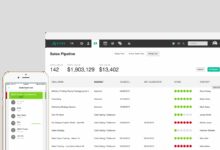
- View deal stages and sales pipelines on the go
- Access notes and previous communications before dialing
This real-time access reduces response times and increases personalization, leading to stronger client relationships.
2. Increased Sales Team Productivity
Sales professionals spend nearly 60% of their time on non-selling activities, according to Cornerstone OnDemand. A phone based CRM slashes this by automating routine tasks.
- Auto-log calls and schedule follow-ups
- Send pre-written templates for SMS or email
- Update deal status with a single tap
By minimizing administrative overhead, reps can focus on what they do best: selling.
3. Enhanced Customer Experience
Customers expect quick, informed responses. A phone based CRM ensures that every interaction is contextual and consistent. When a customer calls back, the agent sees the full history—no repetition, no frustration.
- Personalized greetings based on past behavior
- Faster resolution due to accessible case history
- Proactive outreach using predictive analytics
Companies using mobile CRM report up to 34% higher customer satisfaction scores (Forrester, 2022).
4. Seamless Integration with Communication Tools
Modern phone based CRM platforms integrate natively with calling, texting, and video conferencing apps. This means you can make a call directly from the CRM interface, and it will auto-record and tag the conversation.
- Click-to-call functionality from contact lists
- Sync WhatsApp or SMS logs with customer profiles
- Integrate with VoIP services like RingCentral or Vonage
These integrations create a unified communication hub, reducing app-switching fatigue and improving accuracy.
5. Improved Field Service Management
For industries like HVAC, plumbing, or medical equipment service, technicians in the field need instant access to job details, parts inventory, and customer preferences. A phone based CRM acts as a digital assistant.
- Receive job dispatches directly on mobile
- Update job status in real time (e.g., en route, completed)
- Capture electronic signatures and send invoices instantly
This level of coordination improves efficiency and reduces operational delays.
6. Better Data Accuracy and Compliance
Manual data entry is error-prone. With a phone based CRM, every interaction is captured automatically, reducing typos, missed entries, and duplicate records.
- GPS-stamped visits for audit trails
- Secure cloud backups prevent data loss
- GDPR and CCPA compliance features built-in
Automated logging also supports regulatory requirements, especially in finance and healthcare sectors.
7. Cost-Effective Scalability
Unlike legacy systems that require expensive hardware and IT support, phone based CRM solutions are typically subscription-based and cloud-hosted. This makes them ideal for startups and growing businesses.
- No upfront investment in servers or infrastructure
- Pay-as-you-go pricing models
- Easy onboarding for new team members
Platforms like HubSpot CRM and Freshsales offer free tiers with robust mobile functionality, lowering the barrier to entry.
How Phone Based CRM Transforms Sales Processes
The sales funnel has evolved. Today’s buyers are informed, impatient, and expect immediate engagement. A phone based CRM equips sales teams to meet these demands head-on.
From Lead Capture to Conversion
Traditionally, leads captured at events or trade shows took days to enter into the system. With a phone based CRM, a sales rep can scan a business card, log the lead, and send a follow-up email—all within minutes.
- Use camera to scan QR codes or business cards
- Tag leads with source and campaign data
- Assign leads to team members instantly
This speed dramatically increases conversion rates, as timely follow-up is one of the strongest predictors of sales success.
Automated Follow-Ups and Task Reminders
One of the biggest challenges in sales is consistency. A phone based CRM uses automation to ensure no opportunity slips through the cracks.
- Schedule callbacks with calendar sync
- Set reminders for proposal submissions
- Trigger drip campaigns after initial contact
For example, if a prospect doesn’t respond within 48 hours, the CRM can prompt the rep to send a personalized SMS or make a second call.
Real-Time Collaboration Among Teams
Sales is no longer a solo activity. Modern deals require input from marketing, support, and product teams. A phone based CRM enables real-time collaboration through shared notes, activity feeds, and internal messaging.
- Tag colleagues in customer records for input
- Share call recordings or meeting summaries
- Collaborate on deal strategies via mobile chat
This transparency fosters accountability and speeds up decision-making.
Key Features to Look for in a Phone Based CRM
Not all mobile CRM apps are created equal. To maximize ROI, businesses must evaluate platforms based on functionality, usability, and integration capabilities.
Offline Mode and Sync Capabilities
Field workers often operate in areas with poor connectivity. A high-quality phone based CRM should allow users to view and edit records offline, then sync changes once back online.
- Cache recent contacts and deals locally
- Queue outgoing messages and calls for later sync
- Conflict resolution for duplicate edits
This ensures uninterrupted workflow, even in remote locations.
Call and SMS Integration
The ability to make calls and send texts directly from the CRM is a cornerstone of a true phone based CRM. This feature eliminates the need to switch between apps and ensures all communication is logged.
- Native dialer integration with caller ID
- Template-based messaging for consistency
- Two-way SMS syncing with customer profiles
Some platforms even offer AI-powered call transcription and sentiment analysis.
Customizable Dashboards and Reporting
Managers need visibility into team performance. A phone based CRM should offer mobile-friendly dashboards that display KPIs like call volume, conversion rates, and pipeline health.
- Drag-and-drop customization of widgets
- Exportable reports in PDF or CSV
- Push notifications for goal milestones
These insights help leaders make data-driven decisions without being tied to a desk.
Top Phone Based CRM Platforms in 2024
The market is flooded with options, but only a few deliver a truly seamless mobile experience. Here are the top contenders that excel in usability, features, and reliability.
Salesforce Mobile
Salesforce remains the gold standard in CRM, and its mobile app is no exception. With deep customization, AI-powered Einstein Analytics, and robust integration ecosystem, it’s ideal for enterprise teams.
- Full access to Sales Cloud, Service Cloud, and Marketing Cloud
- Voice-to-text note-taking during calls
- Field service lightning for technician workflows
Learn more at Salesforce Mobile.
HubSpot CRM Mobile
HubSpot offers a user-friendly, free CRM with excellent mobile functionality. It’s perfect for small to mid-sized businesses looking for an all-in-one solution.
- Free forever plan with full mobile access
- Seamless integration with Gmail and Outlook
- Mobile deal tracking and task management
Explore it at HubSpot CRM Mobile.
Zoho CRM Mobile
Zoho CRM stands out for its affordability and feature richness. Its mobile app includes AI assistant Zia, which provides predictive insights and automates routine tasks.
- AI-powered sales forecasting
- Offline mode with auto-sync
- Multi-channel communication (call, email, chat)
Visit Zoho CRM Mobile for details.
Challenges and Limitations of Phone Based CRM
Despite its advantages, a phone based CRM isn’t without challenges. Organizations must be aware of potential pitfalls to implement it successfully.
Data Security and Privacy Concerns
Storing sensitive customer data on mobile devices increases the risk of breaches, especially if phones are lost or stolen. Encryption, biometric login, and remote wipe features are essential.
- Enable two-factor authentication (2FA)
- Use end-to-end encryption for communications
- Implement device-level access controls
Compliance with regulations like GDPR and HIPAA requires careful configuration.
User Adoption and Training
Even the best CRM fails if employees don’t use it. Resistance often stems from complexity or fear of surveillance. Proper training and change management are critical.
- Offer onboarding workshops and video tutorials
- Highlight time-saving benefits to win buy-in
- Appoint internal champions to promote usage
According to Gartner, 43% of CRM projects fail due to poor user adoption.
Integration with Legacy Systems
Many companies still rely on outdated ERP or accounting software. Integrating a phone based CRM with these systems can be technically challenging and costly.
- Use middleware like Zapier or MuleSoft
- Ensure API compatibility before selection
- Phase migration to minimize disruption
Thorough testing is required to maintain data integrity during integration.
Future Trends in Phone Based CRM Technology
The future of phone based CRM is shaped by AI, automation, and hyper-personalization. As technology evolves, so will the capabilities of mobile CRM platforms.
AI-Powered Predictive Analytics
Next-gen CRMs will use machine learning to predict customer behavior, recommend next steps, and even draft responses. For example, AI can analyze call tone and suggest upsell opportunities.
- Forecast deal closure probability
- Identify at-risk customers before churn
- Automate lead scoring based on engagement
Platforms like Salesforce Einstein and Microsoft Dynamics 365 are already leading this shift.
Voice-Activated CRM Assistants
Imagine saying, “Log a call with John about the Q3 proposal,” and your CRM does it automatically. Voice assistants like Siri, Alexa, and Google Assistant are being integrated into CRM workflows.
- Hands-free data entry during drives or meetings
- Voice search for customer records
- Dictate notes and emails using natural language
This will revolutionize how mobile workers interact with their CRM.
Augmented Reality (AR) for Field Service
AR-enabled phones will allow technicians to overlay schematics, repair guides, or inventory data onto real-world equipment through the camera. When combined with a phone based CRM, this creates a powerful diagnostic tool.
- Scan equipment QR codes to pull up service history
- Receive step-by-step AR-guided repairs
- Request parts directly from the CRM interface
Companies like GE and Siemens are already piloting such solutions.
What is a phone based CRM?
A phone based CRM is a customer relationship management system optimized for mobile devices, allowing users to manage contacts, track sales, and communicate with clients directly from their smartphones.
How does a phone based CRM improve sales productivity?
It automates logging of calls and messages, provides instant access to customer data, enables click-to-call features, and sends automated follow-ups, reducing administrative work and increasing selling time.
Can a phone based CRM work offline?
Yes, many modern phone based CRM platforms offer offline mode, allowing users to view, edit, and save data locally, which syncs automatically when connectivity is restored.
Is my data secure in a phone based CRM?
Reputable platforms use encryption, secure authentication, and compliance protocols to protect data. However, users should enable security features like biometric locks and remote wipe to minimize risks.
Which industries benefit most from phone based CRM?
Sales teams, field service providers, real estate agents, insurance brokers, and healthcare coordinators benefit significantly due to their mobile nature and high customer interaction volume.
Phone based CRM is no longer a luxury—it’s a necessity for modern businesses. From boosting productivity to enhancing customer relationships, its benefits are clear. As technology advances, these platforms will become even more intelligent, intuitive, and indispensable. The key to success lies in choosing the right tool, ensuring team adoption, and leveraging its full potential to stay ahead in a competitive market.
Further Reading: