Building a high-performing sales force? A commission based sales team might be the game-changer you need. This model drives motivation, aligns effort with results, and scales efficiently with growth.
What Is a Commission Based Sales Team?

A commission based sales team operates on a performance-driven compensation structure where earnings are directly tied to sales results. Unlike fixed-salary models, this system rewards individuals based on the revenue they generate, creating a direct link between effort and income. It’s a popular model across industries like real estate, automotive, insurance, and tech sales.


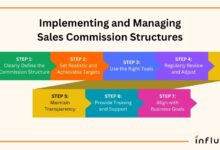

How Commission Structures Work
Commission structures vary but typically involve a base rate or percentage applied to closed deals. For example, a salesperson might earn 5% of every sale they close. Some models offer tiered commissions—higher percentages for exceeding quotas. Others use a draw-against-commission system, where reps receive an advance that’s later deducted from future earnings. Understanding these models is crucial for designing a fair and motivating plan.
- Percentage of sale revenue
- Fixed amount per deal
- Tiered or graduated commission rates
According to the U.S. Bureau of Labor Statistics, many sales roles in competitive industries rely heavily on commission, especially in sectors with high customer acquisition costs.
Types of Commission Models
There are several ways to structure a commission based sales team. The most common include straight commission, salary plus commission, and residual commission. Each has pros and cons depending on business goals and industry norms.
- Straight Commission: No base salary; 100% of income comes from sales. High risk, high reward.
- Base + Commission: A safety net salary combined with performance bonuses. Balances security and motivation.
- Residual Commission: Ongoing payments for recurring revenue (e.g., subscriptions). Common in SaaS and insurance.
“People respond to incentives. The more closely pay is tied to performance, the harder people work.” — Dan Ariely, behavioral economist
Advantages of a Commission Based Sales Team
Implementing a commission based sales team offers numerous strategic advantages. From cost efficiency to performance alignment, this model can transform how your business acquires customers and scales revenue.
Cost Efficiency and Scalability
One of the biggest benefits of a commission based sales team is cost control. Since compensation is tied to results, companies only pay for actual sales. This reduces fixed labor costs and improves cash flow, especially for startups and growing businesses. As sales volume increases, the team scales naturally without proportional increases in payroll.
For example, a tech startup launching a new SaaS product can hire commission-only reps during the initial market entry phase. If they don’t close deals, the company doesn’t incur significant expenses. But when they succeed, both the rep and the company profit. This lean approach is widely used in early-stage ventures, as noted by Forbes in their analysis of scalable sales models.
- Lower fixed payroll costs
- Pay only for performance
- Easier to scale during growth phases
Increased Motivation and Productivity
When income depends on output, salespeople are naturally more driven. A commission based sales team operates under a clear incentive: sell more, earn more. This self-motivation reduces the need for micromanagement and fosters a results-oriented culture.
Studies from the Harvard Business Review show that performance-based pay significantly increases effort and persistence in sales roles. Reps are more likely to prospect aggressively, follow up diligently, and close deals efficiently when their paycheck depends on it.
- Direct link between effort and reward
- Encourages proactive selling behavior
- Reduces dependency on supervision
Challenges of Managing a Commission Based Sales Team
While the benefits are compelling, managing a commission based sales team comes with its own set of challenges. From turnover risks to potential ethical issues, leaders must be prepared to navigate these pitfalls carefully.
High Turnover and Burnout Risk
Commission-only roles can be stressful, especially during slow sales periods. Without a guaranteed income, reps may experience financial instability, leading to burnout or early departure. This turnover can disrupt customer relationships and increase recruitment costs.
To mitigate this, many companies adopt hybrid models—offering a modest base salary alongside commission. This provides stability while preserving performance incentives. Regular check-ins, mental health support, and career development paths also help retain top talent in a commission based sales team.
- Lack of income security increases stress
- Top performers may leave for more stable roles
- Onboarding costs rise with frequent turnover
Potential for Unethical Selling Practices
When commissions are too aggressive, salespeople might prioritize closing over customer satisfaction. This can lead to misrepresentation, overselling, or pushing unnecessary products—damaging brand reputation and customer trust.
To prevent this, companies must design balanced incentive structures. For instance, tying bonuses to customer satisfaction scores or long-term retention can align short-term sales with long-term value. Clear ethical guidelines and regular training reinforce responsible selling behaviors within a commission based sales team.
- Risk of misleading customers for quick wins
- Pressure to meet quotas at any cost
- Damage to brand credibility if unchecked
“Incentives drive behavior. But if the incentive is purely short-term, the behavior will be too.” — Margaret Heffernan, CEO and author
Designing an Effective Commission Plan
Creating a successful commission based sales team starts with a well-thought-out compensation plan. The structure should motivate performance, support business goals, and remain sustainable over time.
Setting Clear Goals and Quotas
Every commission plan needs measurable targets. Sales quotas should be realistic, based on market data, historical performance, and growth objectives. Unrealistic goals demotivate teams, while too-easy targets reduce profitability.
Use SMART criteria (Specific, Measurable, Achievable, Relevant, Time-bound) when setting quotas. For example, “Close $50,000 in new contracts by Q3” is clearer than “Sell more this quarter.” Transparent goal-setting builds trust and focus within a commission based sales team.
- Align quotas with company revenue targets
- Adjust for market conditions and seasonality
- Communicate expectations clearly from day one
Balancing Base Pay and Commission
The debate between base salary vs. pure commission is ongoing. While 100% commission attracts self-starters, it limits talent pool access. Most experts recommend a balanced approach.
A common model is 60% base salary and 40% commission. This offers financial stability while maintaining strong performance incentives. According to Sales Hacker, this hybrid model improves retention and performance across mid-sized tech firms.
- Base pay ensures minimum living standards
- Commission drives ambition and effort
- Adjust ratios based on industry and role
Best Practices for Leading a Commission Based Sales Team
Leadership plays a critical role in the success of a commission based sales team. Beyond pay structure, managers must foster a supportive, transparent, and high-energy environment.
Provide Ongoing Training and Support
Even the most motivated reps need tools and knowledge to succeed. Regular training on product updates, objection handling, and negotiation skills keeps the team sharp. Mentorship programs and peer coaching also enhance performance.
Top-performing companies invest in onboarding and continuous learning. For example, HubSpot’s sales academy offers certification programs that boost confidence and competence. When a commission based sales team feels supported, they’re more likely to stay and grow.
- Conduct weekly skill-building sessions
- Use role-playing for real-world scenarios
- Offer access to online learning platforms
Foster Healthy Competition and Recognition
Healthy competition fuels performance. Leaderboards, monthly bonuses, and public recognition motivate reps to excel. However, it’s important to balance competition with collaboration.
Recognize not just top closers, but also those who help teammates, maintain high customer satisfaction, or show improvement. This creates a positive culture where a commission based sales team thrives collectively, not just individually.
- Run quarterly sales challenges with prizes
- Highlight success stories in team meetings
- Use gamification to track progress
“Recognition is the most powerful driver of engagement—more than money alone.” — Gallup Workplace Survey
Measuring Success in a Commission Based Sales Team
To ensure your commission based sales team is delivering value, you need clear metrics and regular evaluation. Relying solely on revenue can be misleading; a holistic view is essential.
Key Performance Indicators (KPIs)
Track a mix of quantitative and qualitative KPIs to assess team performance. Common metrics include:
- Conversion rate (leads to customers)
- Average deal size
- Sales cycle length
- Customer acquisition cost (CAC)
- Customer lifetime value (CLV)
- Quota attainment rate
These KPIs help identify top performers, spot bottlenecks, and refine strategies. For instance, a high conversion rate but low average deal size might indicate reps are closing small deals quickly but missing upsell opportunities.
Regular Performance Reviews
Monthly or quarterly reviews keep everyone accountable and aligned. Use data to discuss progress, set new goals, and provide feedback. These sessions should be collaborative, not punitive.
In a commission based sales team, transparency is key. Share team-wide results, celebrate wins, and address underperformance with coaching, not just penalties. This builds trust and continuous improvement.
- Review individual and team metrics
- Adjust goals based on performance trends
- Offer personalized development plans
Real-World Examples of Successful Commission Based Sales Teams
Many companies have leveraged the power of a commission based sales team to achieve rapid growth and market dominance. Let’s look at a few notable examples.
Salesforce: Scaling with Performance Pay
Salesforce, a leader in CRM software, built its global sales force on a strong commission structure. Their reps earn significant bonuses for exceeding quotas, driving aggressive market penetration. The company also uses SPIFFs (Special Performance Incentive for Field Forces) for short-term pushes.
This model helped Salesforce grow from a startup to a multi-billion-dollar enterprise. By aligning pay with performance, they attracted ambitious talent and maintained high productivity across regions.
- Hybrid compensation with high upside
- Global consistency with local adjustments
- Focus on recurring revenue commissions
Amway: Direct Sales and Residual Income
Amway operates one of the largest commission based sales teams in the world through its direct selling model. Independent distributors earn commissions on personal sales and from their downline networks.
While controversial at times, Amway’s structure demonstrates how residual commissions can create long-term earning potential. Distributors are motivated not just to sell, but to build teams—amplifying their income over time.
- Multi-level commission structure
- Emphasis on team building
- Residual income from recurring purchases
“Amway’s model proves that commission-based systems can scale globally when combined with network effects.” — Direct Selling Association
Future Trends in Commission Based Sales Teams
The landscape of sales compensation is evolving. As technology, workforce expectations, and market dynamics change, so too must the approach to managing a commission based sales team.
Rise of Data-Driven Commission Models
Modern CRM systems like Salesforce and HubSpot enable real-time tracking of sales activities and outcomes. Companies are now using AI and analytics to design dynamic commission plans that adapt to performance, market conditions, and customer behavior.
For example, some firms use predictive analytics to adjust quotas or offer personalized incentives. This data-driven approach ensures fairness and maximizes motivation across diverse teams.
- AI-powered performance forecasting
- Dynamic commission adjustments
- Personalized incentive plans
Focus on Work-Life Balance and Well-Being
As remote work becomes standard, companies are rethinking how to support commission based sales teams emotionally and mentally. The pressure to perform can lead to burnout, especially without office camaraderie.
Forward-thinking organizations now offer wellness programs, flexible schedules, and mental health resources. These investments improve retention and long-term performance, proving that a healthy team is a productive team.
- Virtual team-building activities
- Access to counseling services
- Flexible commission payout schedules
What is a commission based sales team?
A commission based sales team is a group of sales professionals whose income is primarily tied to the sales they generate. They earn a percentage or fixed amount for each deal closed, often with little or no base salary. This model incentivizes performance and aligns earnings with business results.
What are the pros and cons of a commission only sales model?
The pros include lower fixed costs, higher motivation, and scalability. The cons include high turnover, income instability for reps, and potential for unethical selling. Many companies opt for a hybrid model to balance these factors.
How do you motivate a commission based sales team?
Motivate them through clear goals, fair commission structures, recognition programs, ongoing training, and a supportive culture. Transparency, timely payouts, and career growth opportunities also boost engagement.
What industries use commission based sales teams?
Common industries include real estate, automotive, insurance, technology (SaaS), direct selling (e.g., Amway), retail sales, and financial services. Any sector with measurable sales outcomes can benefit from this model.
How do you calculate commission for sales reps?
Commission is typically calculated as a percentage of the sale value, a fixed amount per unit sold, or a tiered rate based on performance. For example, 5% of a $10,000 deal equals $500. Software tools can automate these calculations for accuracy and efficiency.
Building a successful commission based sales team requires more than just a pay structure—it demands strategic planning, strong leadership, and ongoing support. When designed well, this model drives performance, reduces costs, and aligns individual success with company growth. From startups to global enterprises, the commission based sales team remains a powerful engine for revenue generation. By balancing incentives with ethics, motivation with well-being, and data with human insight, businesses can create a sustainable and high-achieving sales force.
Further Reading:
